Your Meridian New Construction Walkthrough Checklist
July 9, 2026
July 9, 2026
Buying a brand-new home in Meridian can feel like the easy version of homeownership, but new construction still needs a careful review before you close. It is completely normal to wonder what to check, when the walkthrough happens, and how to make sure unfinished items do not get lost in the shuffle. This checklist will help you walk through your new home with more confidence, stay organized, and know what to watch for before closing. Let’s dive in.
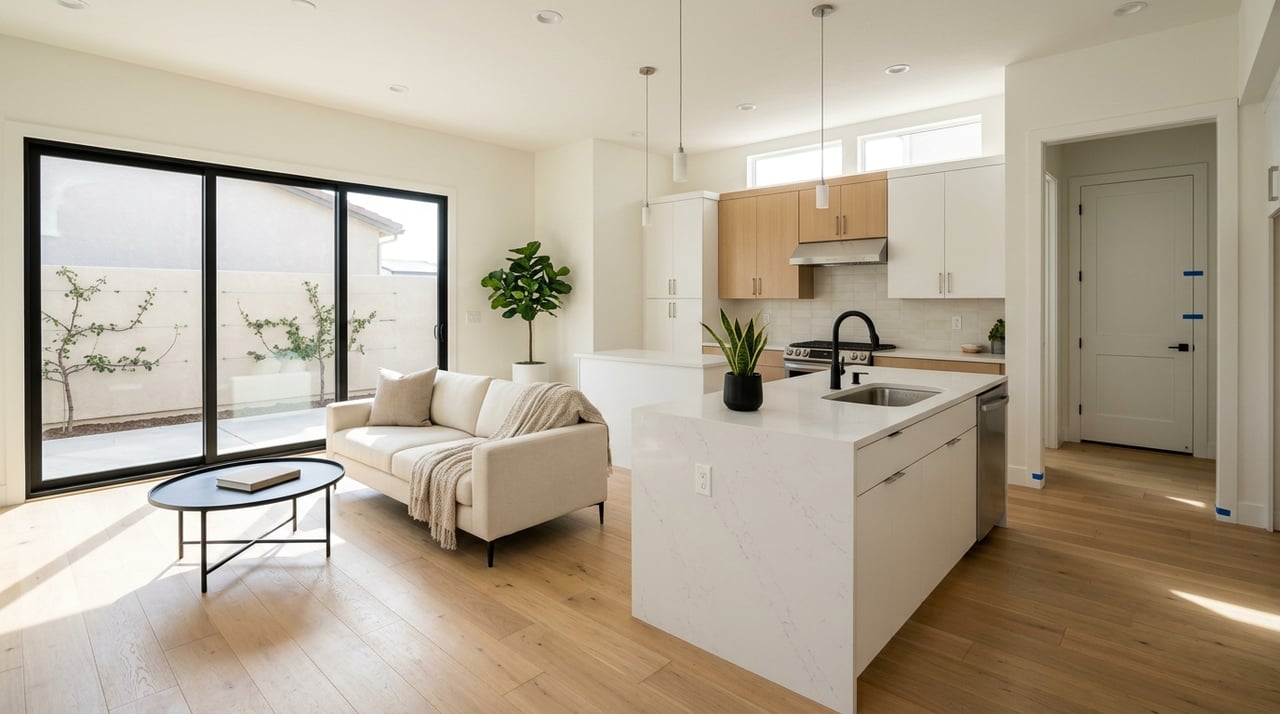
If you are buying new construction in Meridian, you will usually have two buyer checkpoints before closing. The first is often a blue-tape walkthrough a few weeks before closing, where you identify defects and create a punch list for the builder. The second is the final walk-through, typically in the last 24 hours to few days before closing, where you confirm those items were completed and the home is ready for move-in.
At the same time, the home is also moving through the City of Meridian inspection process. Residential builds generally progress through permit issuance, rough-ins, framing, energy and insulation, final mechanical, electrical, and plumbing inspections, and then the building final. The city requires inspections to be finaled before the permit can close and before a Certificate of Occupancy can be issued.
That matters because your walkthrough and the city sign-off are separate tracks. A home can look close to done from a buyer’s perspective, but city inspections and occupancy approval can still affect the closing timeline.
On the financing side, your lender must provide the Closing Disclosure at least three business days before closing. That means your loan paperwork review should start before your final appointment, not during it.
A good walkthrough goes much smoother when you show up prepared. Bring a few basic tools so you can spot issues clearly and document them in real time.
Here is a simple walkthrough kit to carry with you:
Blue tape is helpful for marking visible issues in the house, but your written punch list is what really matters. The tape helps flag items on site, while the written list gives the builder a clear record to track and complete.
Start outside before you go room by room indoors. Exterior items can be easier to overlook once you step into the kitchen and start testing appliances.
Check the exterior finish quality and look closely at:
If landscaping or plants were included in your contract, confirm they are present. Also look for unfinished cleanup around walkways, beds, and side yards.
Next, test every door in the home. This includes the front door, interior doors, closet doors, patio doors, and the door from the garage into the house.
Watch for doors that stick, sag, scrape, or do not latch cleanly. Also note damaged frames, uneven gaps, or hardware that feels loose.
In the garage, test both operation and safety features. Make sure the garage door opener works, confirm the sensors respond correctly, and check that remotes or wall controls are functioning as expected.
If the home includes them, test the doorbell, alarm, and intercom too. Small systems can be easy to forget during a busy walkthrough.
The kitchen is one of the hardest-working spaces in the home, so this is the place to slow down. Turn things on, open and close everything, and check both appearance and function.
Look over:
Run the dishwasher, test the range or cooktop if available for walkthrough testing, and check the refrigerator if it is included in the sale. If the builder has already provided manuals and warranties, make sure they are collected and easy to keep together.
Bathrooms and laundry areas are high-priority because water issues can turn into bigger headaches later. Run every sink, tub, shower, and included laundry connection or appliance.
As you test these spaces, look for:
Flush toilets, run hot and cold water, and check that fixtures feel securely installed. In the laundry area, verify hookups or included washer and dryer operation, depending on what comes with the home.
Walk every room slowly, including closets, attic access areas, and crawl spaces if they are available to inspect. New homes can still have cosmetic and functional issues that are easier to catch before closing than after move-in.
Pay attention to:
Open and close windows to make sure they move properly and lock as intended. Turn lights on and off, and test outlets where you can.
Mechanical systems deserve their own check because they affect daily comfort from day one. Even if the home looks polished, it is still smart to confirm the systems are accessible and functioning.
Test the heating and cooling, and look for visible leaks or condensation around equipment. Locate the water heater, breaker box, and shut-off points, and make sure they are accessible and labeled.
If something is difficult to reach or unclear, ask the builder’s representative to walk you through it. That is especially helpful if you are relocating and will be learning the home quickly after move-in.
The best punch lists are specific, organized, and easy for the builder to act on. If possible, have the builder’s representative present during the walkthrough, and let your real estate agent attend too so concerns are documented clearly.
A strong punch list should include:
For example, instead of writing “paint issue,” write something like “Primary bedroom, north wall by window, 6-inch paint scuff, cosmetic, touch-up needed.” The more exact you are, the easier it is for the builder to assign and complete the work.
After the walkthrough, the builder should gather the punch list and outline a repair timeline. Your final walk-through is the time to confirm those items were completed before closing.
In Meridian, timing matters because several moving pieces can overlap near closing. Your builder’s completion schedule, the city inspection process, and your lender’s document timeline can all affect your final week.
A few timing points to keep in mind:
If important items are still unresolved at your final walk-through, closing can be delayed. That is one reason organized documentation and clear communication matter so much with new construction.
Your final walk-through is not the time for a rushed glance through the house. It is your chance to confirm the agreed repairs were completed and that the home is truly ready for the legal and financial handoff at closing.
Use your original punch list and photos as your guide. Recheck the repaired areas, test key systems one more time, and make sure nothing new has appeared since the earlier walkthrough.
If you are buying from out of state or juggling a move on a tight timeline, having a process like this can take a lot of stress out of the last stretch. A careful, organized walkthrough helps you close with fewer surprises and more confidence in your new Meridian home.
If you want a steady hand through a Meridian new construction purchase, Lacey Hall with Red Door Real Estate Advisors can help you stay organized from contract to closing.
Stay up to date on the latest real estate trends.





Work with professionals who prioritize your needs, offering tailored guidance, market insight, relocation support, and new construction expertise through a stress-free approach.
Get In Touch With Our Team To Learn More