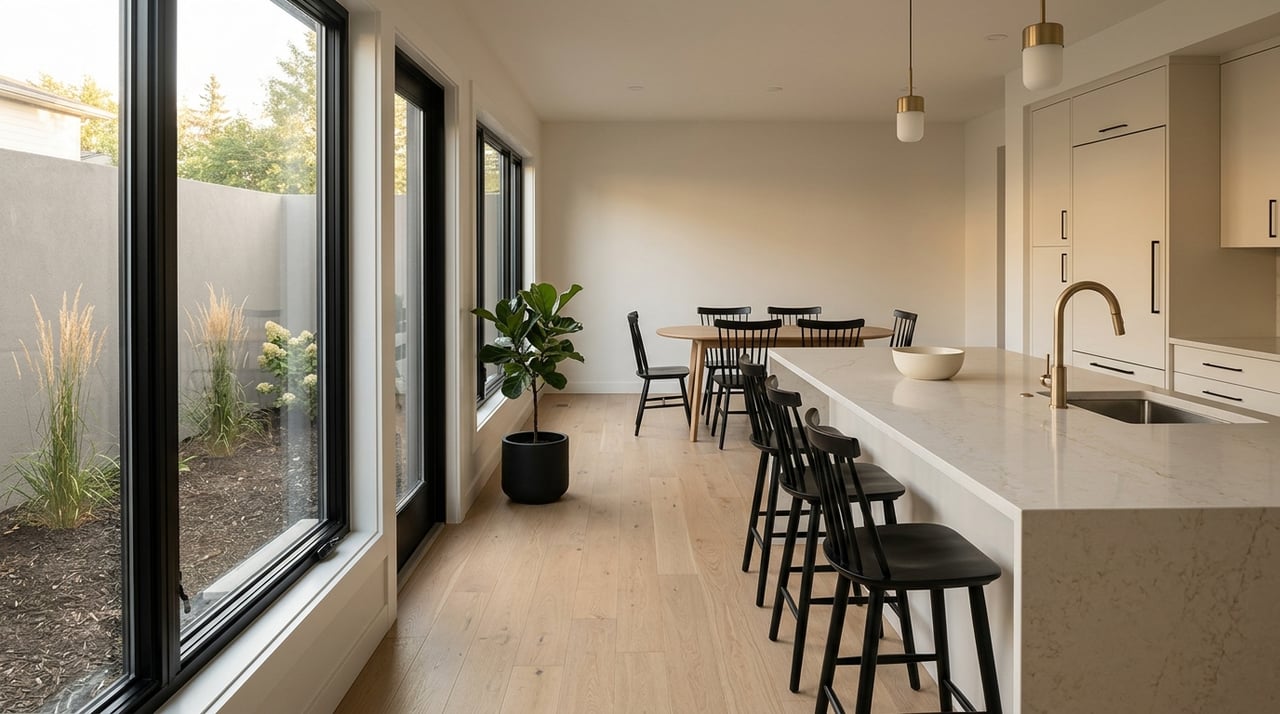
Selling In Meridian While You Build Your Next Home
July 16, 2026
July 16, 2026
If you’re selling your Meridian home while building the next one, you’re not planning one move. You’re managing two timelines that rarely line up perfectly. That can feel stressful, especially when you’re trying to protect your equity, keep your move simple, and avoid ending up without a place to live. The good news is that with the right strategy, you can reduce surprises and make the process feel much more organized. Let’s dive in.
Meridian is not a slow, stagnant market. The city has grown rapidly for decades, and Census estimates place the population at 142,988 as of July 1, 2025, up 21.4% from April 2020. Meridian also has a 74.6% owner-occupied housing rate and a median owner-occupied home value of $531,600, which suggests many homeowners may have meaningful equity to work with.
That equity can create options when you’re ready to build your next home. At the same time, the sale of your current home, the construction timeline, financing approvals, and city permit milestones all move on different tracks. In Meridian, your plan works best when you treat this as a coordination project, not just a listing.
Recent market data also shows that homes are still moving. Redfin reported a median sale price of $549,571 in Meridian for May 2026, with a median of 32 days on market and a 99.7% sale-to-list ratio. Boise Regional REALTORS also reported that Meridian accounted for 30% of all homes pending sale in Ada County that month.
When you build a new home, the finish date is not always exact. Meridian Building Services handles permit application, plan review, permit issuance, and field inspections for structural, fire, electrical, mechanical, and plumbing work. That means your builder’s schedule includes review and inspection milestones that can affect when the home is truly ready.
Your current home sale has its own deadlines too. Once you accept an offer, the contract moves through escrow, earnest money handling, appraisal, title work, insurance, inspections, and mortgage approval. Those steps can take several weeks or more, depending on the transaction.
So the real issue is not just, “When should I list?” The better question is, “How do I line up my sale strategy with my build timeline as closely as possible?”
One common approach is to sell your current Meridian home first and then use temporary housing until your new build is complete. This can be a practical choice if you want clearer access to your sale proceeds before the next home is finished.
Short-term solutions can include extended-stay hotels, corporate housing, short-term rentals, or staying with friends or family. While that option is not always the most convenient, it can reduce the pressure of carrying two homes at once.
This approach may work well if:
The downside is simple. You may need to move twice. For some sellers, that tradeoff is worth it for the added financial clarity.
Another option is to sell your home and stay in it for a period after closing through a rent-back arrangement, if the buyer agrees. This can help bridge the gap between your closing date and your new home completion date.
A rent-back can be especially helpful when your build is close to finished but not quite ready. In some cases, a longer closing period or a 30- to 60-day rent-back can help you avoid a rushed move.
The key here is careful negotiation. Final move-out dates, rental compensation, and other terms should be clearly defined in writing. Since contract language and legal details can vary, this is one area where strong guidance matters.
Some homeowners choose to move forward on the new build before selling their current home. That usually means using some form of interim financing to bridge the gap.
A bridge loan is a type of temporary financing that can help you buy or build a new home while planning to sell your current home within 12 months. For the right homeowner, this can create flexibility and allow you to stay put until the new home is ready.
Construction financing is another path. Construction loans are usually short-term, with funds advanced as construction progresses. In some cases, the loan is repaid in a lump sum or converted into a conventional mortgage.
Construction-to-permanent financing may also be an option. This structure turns the interim construction financing into a long-term mortgage and can be set up as either a single-closing or two-closing transaction.
This path may make sense if:
The tradeoff is that financing can become more layered. You are not just managing a sale and a move. You are also managing lender timelines and construction draw schedules.
In some situations, the best answer is to use contract contingencies that give you more control over timing. Depending on the situation, that could include a home-sale contingency, a home-close contingency, continue-to-show language, a kick-out clause, or a rent-back clause.
These tools can help reduce risk when your current home and future home need to stay connected. They are designed to create structure around “what happens if” timing does not work exactly as planned.
That said, contingencies are not one-size-fits-all. Terms, deadlines, and state-specific contract language matter, so this strategy should be tailored to your transaction rather than copied from someone else’s situation.
The best strategy usually depends on three things: your build stage, your equity position, and your tolerance for disruption. A home that is just breaking ground calls for a different plan than a home that is weeks from final completion.
Here is a simple way to think about it:
| Your situation | Strategy to explore |
|---|---|
| Build timeline is still uncertain | Sell first with temporary housing backup |
| Build is close to completion | Sell with a rent-back request |
| You want one move and can carry more complexity | Build first with bridge or construction financing |
| Sale and build timing are tightly connected | Use contingency language where it fits |
This is also why local planning matters so much in Meridian. A builder’s estimated completion date is helpful, but permit reviews, inspections, and lender requirements can still shift the real timeline.
Before your home hits the market, it helps to map out both files side by side: your sale and your build. This gives you a clearer picture of where the pressure points are likely to show up.
Start with these steps:
Doing this early helps you list with purpose. It also gives you more confidence when offers start coming in.
This kind of move gets complicated because details can fall through the cracks. You may be tracking signatures, inspection timing, lender requests, title milestones, builder updates, and closing dates all at once.
That is where a strong coordination process becomes valuable. A transaction coordinator’s role commonly includes gathering paperwork, tracking contractual deadlines, coordinating with lenders, title companies, inspectors, and other parties, and helping assemble the final file for closing.
For a homeowner selling one property while building another, that support can make the process feel far less chaotic. It helps keep the moving parts visible, especially when your sale file and your build-related purchase file are both active at the same time.
If you’re selling in Meridian while you build your next home, the goal is not perfect timing. The goal is a smart, flexible plan that protects your options and reduces stress.
Meridian’s active market, long-term growth, and strong owner occupancy suggest that many move-up sellers have real opportunity. But opportunity works best when it’s paired with clear pricing, realistic scheduling, and organized contract management.
If you want help building a plan around your timeline, equity, and new construction goals, Lacey Hall with Red Door Real Estate Advisors can help you map out the next steps with a calm, detail-first approach.
Stay up to date on the latest real estate trends.






Work with professionals who prioritize your needs, offering tailored guidance, market insight, relocation support, and new construction expertise through a stress-free approach.
Get In Touch With Our Team To Learn More