Boise, Meridian Or Eagle: How To Choose Your First Landing Spot
July 2, 2026
July 2, 2026
Thinking about Boise, Meridian, or Eagle for your first move in the Treasure Valley? It is a smart question, because your best fit often comes down to how you want your everyday life to feel, what price range you want to stay in, and how much commute flexibility you need. If you are relocating or simply trying to narrow the map, this guide will help you compare the three in a clear, practical way. Let’s dive in.
Before you compare home prices or scroll listings, think about your normal week. Where you land first should support how you live now, not just what looks good online.
In broad terms, Boise offers the most convenience and variety, Meridian gives you a middle-ground suburban setup, and Eagle leans more toward space and open surroundings. That framing comes from current city planning, transportation patterns, and housing data through May 2026.
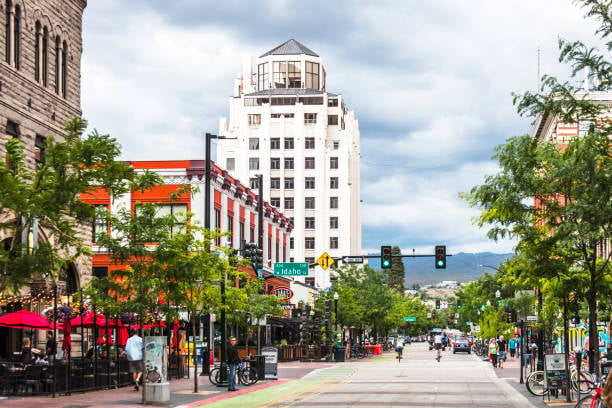
Boise is usually the easiest starting point if you want options. It has the broadest housing mix of the three, along with the strongest downtown access, trail connections, and transit infrastructure.
If your work, errands, or social life center around downtown Boise or the central city, Boise often reduces commute variables. The city is home to the region’s primary transit hub at Main Street Station, which can matter if you want more than one way to get around.
Boise offers a wider spread of property types than many buyers expect. Current listings and city planning documents point to single-family homes, condos, townhomes, duplexes, triplexes, and land.
That variety can be helpful if you are still figuring out your budget, space needs, or maintenance preferences. As of May 31, 2026, the average home value in Boise is $508,045, which places it slightly below Meridian and well below Eagle.
Boise stands out for how connected its outdoor amenities are to daily life. The Boise River Greenbelt and foothills are major draws, and the Ridge to Rivers system manages more than 210 miles of trails.
Military Reserve also gives downtown Boise direct access to a major recreation area. If you want a place where trails, downtown, and a wider housing menu all overlap, Boise is often the clearest fit.
Meridian often works well for buyers who want a suburban base without jumping to Eagle’s price point. It sits in the middle of the Treasure Valley and offers a practical blend of housing, retail, and recreation.
For many buyers, Meridian feels like the middle path. You get strong convenience, a familiar suburban rhythm, and access to major destinations across the valley.
Meridian’s planning framework supports a mix of housing that includes townhouses, apartments, workforce housing, large-lot subdivisions, and single-family homes. At the same time, the city notes that it has historically leaned toward detached single-family suburban-style development.
As of May 31, 2026, the average home value in Meridian is $535,149. That puts it only about $27,104 above Boise on the current average-value snapshot, which is why many buyers see Meridian and Boise as fairly close from a pricing standpoint.
Meridian is centrally located, but daily driving patterns matter here. The city’s transportation setup is strongly tied to regional commute corridors, especially around Meridian Road, Eagle Road, and I-84 access points.
According to the Idaho Transportation Department, the eastbound Meridian Road on-ramp and the Eagle Road eastbound off-ramp see significant morning congestion. Improvements are in progress, including an auxiliary lane between the Meridian and Eagle interchanges to help smooth traffic flow.
Meridian’s amenities are rooted in convenience and recreation. Major draws include The Village at Meridian, Julius M. Kleiner Memorial Park, Roaring Springs Water Park, Meridian Speedway, and the city’s broader park network.
Kleiner Park alone covers 58 acres and includes walking paths, ponds, a splash pad, pickleball, and other amenities. Downtown Meridian, designated as Old Town in the city’s plan, is also positioned for more flexible uses over time.
Eagle is the premium-priced option of the three, and that price difference is meaningful. If you are drawn to more open surroundings, larger-lot patterns in some areas, and a village-style downtown feel, Eagle may be what you are looking for.
Its planning model focuses on protecting open space, preserving a rural planning area, and guiding urban development toward downtown, the central city, and activity centers. That gives Eagle a different feel than Boise or Meridian.
As of May 31, 2026, the average home value in Eagle is $789,558. That is about $254,409 higher than Meridian and $281,513 higher than Boise.
For many buyers, that is the biggest deciding factor. Eagle may offer the setting you want, but you need to be comfortable with a much higher price band.
Like Meridian, Eagle is more road-dependent. Eagle Road, also State Highway 55, is identified by the Idaho Transportation Department as the busiest non-interstate highway in Idaho.
The state is testing a variable speed limit corridor between Franklin and Chinden during heavy congestion, and the Ada County Highway District is redesigning the Eagle Road and State Street area in downtown Eagle. If your schedule depends on regular trips into Boise, this is worth weighing carefully.
Eagle’s lifestyle story centers on the Boise River, foothills, trails, parks, and open space. The city manages trails and pathways, the Eagle Greenbelt, Arboretum Park, and Reid W. Merrill Sr. Community Park.
Pamela Baker Park provides the southernmost Eagle Greenbelt access. Downtown Eagle is planned as Old Town or Olde Towne, which supports the small-center, village-style identity many buyers notice right away.
If you want the simplest version, here is the practical breakdown:
| City | Best Fit For | Average Home Value | Standout Strength |
|---|---|---|---|
| Boise | Buyers who want variety and easier access | $508,045 | Housing mix, downtown, trails, transit |
| Meridian | Buyers who want balance and suburban convenience | $535,149 | Middle-ground pricing, retail, recreation |
| Eagle | Buyers who want more space and an open setting | $789,558 | Open space, village feel, premium setting |
If you are still torn, start with the factors that affect your life every single day. The right first landing spot does not need to be your forever choice. It just needs to make your move feel manageable and your routine feel easier.
Ask yourself:
Boise is usually the best fit if you want the broadest housing menu, the strongest downtown access, and easy connection to trails and transit. It can also be a smart first stop if you are new to the Treasure Valley and want a flexible base while you learn the area.
Boise also currently has the largest active inventory of the three and the fastest median time to pending, which can give you more to review if selection matters to you.
Meridian makes sense if you want a middle-price suburban base with strong retail and recreation access. It is often a practical choice for buyers who want convenience and a more residential feel without stepping into Eagle’s price range.
The tradeoff is that commuting can depend heavily on major corridors. If that does not bother you, Meridian can be a strong balance point.
Eagle is the best fit if you want more space, a quieter open-space setting, and a village-style atmosphere. It is a strong lifestyle choice for buyers who prioritize setting and are comfortable with a significantly higher budget.
The biggest tradeoffs are cost and road-focused commuting. For the right buyer, though, those tradeoffs are worth it.
Your first landing spot should match your real life, not just your wish list. If you want help narrowing Boise, Meridian, or Eagle based on your budget, commute, and day-to-day goals, Lacey Hall with Red Door Real Estate Advisors can help you build a clear plan and make your move feel organized from day one.
Stay up to date on the latest real estate trends.

Work with professionals who prioritize your needs, offering tailored guidance, market insight, relocation support, and new construction expertise through a stress-free approach.
Get In Touch With Our Team To Learn More